
Senate Passes Bipartisan Energy Bill That Would Make Data Centers Pay More of Their Grid Costs
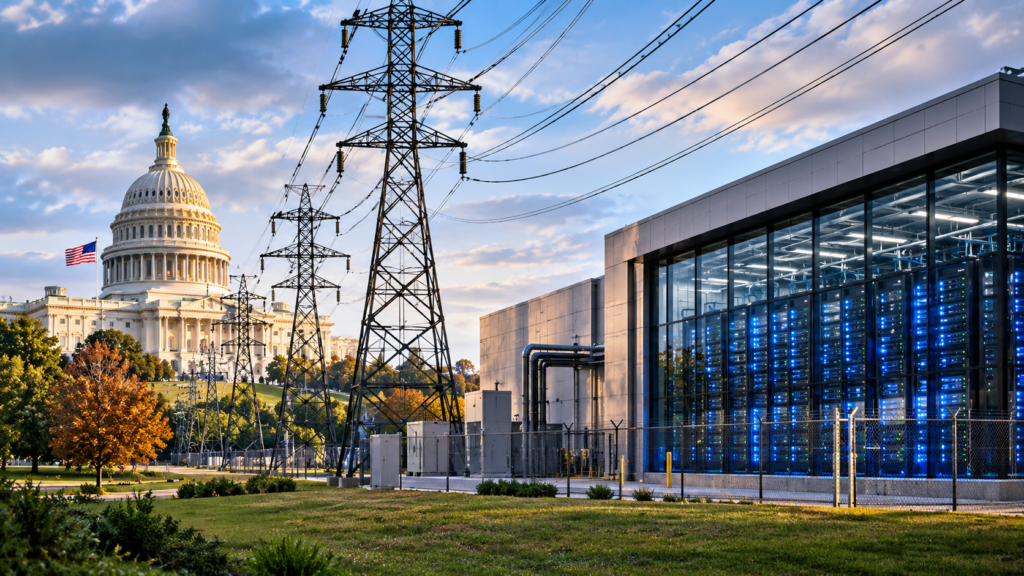
The U.S. Senate has passed a major bipartisan energy and infrastructure bill that aims to speed up construction of power projects while requiring large data centers to take greater responsibility for the electricity costs they create.
The Senate approved the Bipartisan American Affordability and Jobs Act by a 62-33 vote on November 19, 2026. The measure now goes to the House of Representatives. It is not yet law, and the House must approve the Senate’s version before it can be sent to President Donald Trump.
The legislation comes as electricity demand rises across the country, driven in part by artificial intelligence, manufacturing and other energy-intensive industries. Communities have increasingly questioned whether households and small businesses could end up paying for grid upgrades needed to serve enormous new data centers.
What the bill would change
One central provision is designed to prevent the costs of serving large computing facilities from being shifted onto other electricity customers. The bill directs changes to federal electricity policy so that data centers pay more directly for the power infrastructure required by their operations, including relevant grid upgrades.
The legislation would also shorten federal review timelines for certain energy and infrastructure projects, including power plants and transmission lines. Supporters say faster reviews could help bring additional electricity onto the grid and reduce delays that can keep projects tied up for years.
Senator Martin Heinrich, one of the bipartisan bill’s sponsors, said the measure is intended to protect families from bearing costs created by large data centers. Supporters have also cited potential benefits for energy supply, jobs and infrastructure investment.
Why the proposal is controversial
The bill has drawn criticism from environmental groups and some lawmakers who argue that changes to permitting and judicial review could weaken protections under laws governing clean water, public lands and environmental impacts. Critics also say tribal communities and local residents may have less ability to challenge projects they believe could harm their areas.
Supporters counter that the United States needs a more reliable and expandable energy system to meet growing demand. They argue that both renewable energy projects and traditional power infrastructure can face lengthy approval processes that increase costs and delay construction.
The Senate vote reflected support from members of both parties, but it does not settle the debate. The House could approve the measure, change it or decline to take it up. Any changes would require further congressional action before the legislation could reach the president.
For American households, the key question is whether the final law can expand electricity supply while ensuring that the cost of powering energy-hungry data centers does not fall unfairly on ordinary ratepayers. The answer will depend on the final text, federal implementation and how regulators apply the new rules.
Sources: Associated Press reporting published November 20, 2026; Reuters reporting on the Senate vote; U.S. Senate Energy and Natural Resources Committee statement dated November 19, 2026. The bill still requires House approval.