
Wisconsin Judge Dismisses Lawsuit Against Elon Musk Over $1 Million Election Payments
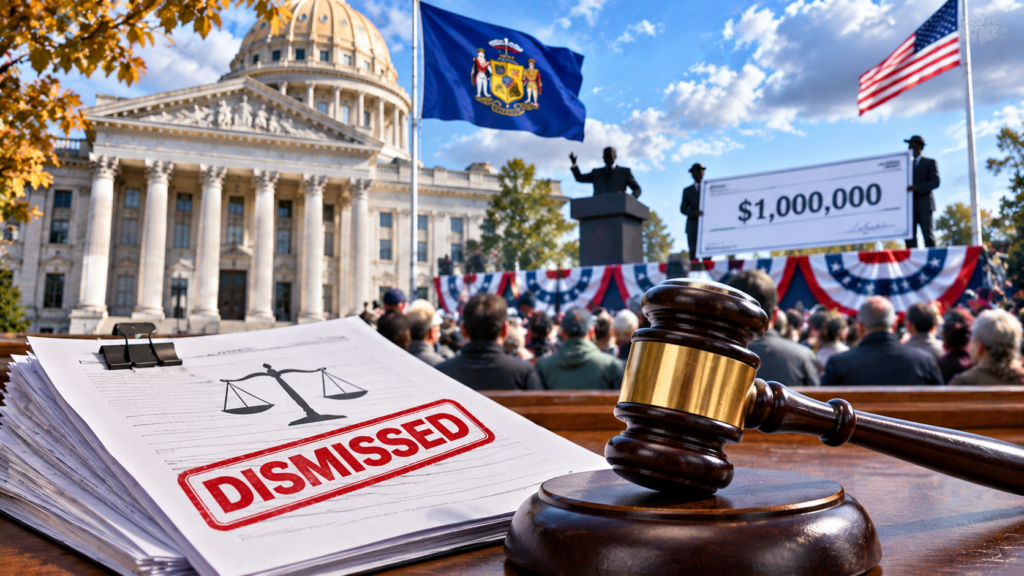
A Wisconsin judge has dismissed a civil lawsuit accusing Elon Musk and political groups associated with him of violating state election laws through cash incentives offered during the 2025 Wisconsin Supreme Court race. The ruling is a legal victory for Musk, but the judge did not decide that the disputed conduct was lawful; the case was dismissed because the plaintiffs lacked standing to bring it.
Brown County Circuit Judge Marc Hammer issued the decision on November 19, finding that two voters and the Wisconsin Democracy Campaign had not shown the kind of concrete injury required to pursue the lawsuit. The plaintiffs argued that Musk’s actions harmed Wisconsin’s democracy and forced the watchdog group to spend additional resources monitoring the election. The judge said those claims were not sufficient to establish legal standing.
What happened during the 2025 Wisconsin race
The dispute arose during the high-profile 2025 Wisconsin Supreme Court election between conservative-backed candidate Brad Schimel and liberal-backed candidate Susan Crawford. Musk campaigned for Schimel and spent heavily through political groups supporting his candidacy. Crawford won the election by about 10 percentage points.
In the days before the election, Musk promoted financial incentives connected to a rally in Green Bay. He initially posted that two $1 million checks would go to people who had voted and attended the event. The wording was later changed, with the payments described as rewards for people advocating against what Musk called activist judges. Musk also promoted $100 incentives for people who signed a related petition.
Wisconsin Attorney General Josh Kaul had previously gone to court seeking to stop the payments, arguing they could violate state laws against offering something of value to induce voting. State courts did not block the checks.
Criminal investigation had already ended without charges
The civil lawsuit was not the only legal challenge. In July 2026, the bipartisan Wisconsin Elections Commission referred two complaints to prosecutors after finding probable cause to believe election-bribery laws may have been violated. A special prosecutor, La Crosse County District Attorney Tim Gruenke, reviewed the matter and announced in August that he would not file criminal charges.
Gruenke said he believed a jury would be unlikely to convict, citing the revised wording of Musk’s post and the absence of a payment directly conditioned on voting. The decision not to prosecute was separate from Judge Hammer’s November ruling dismissing the civil lawsuit.
Why the judge dismissed the case
Judge Hammer focused on whether the plaintiffs themselves had suffered a specific, legally recognizable injury. He concluded that general concerns about the effect of money on democracy and the watchdog group’s decision to devote more resources to election advocacy did not meet that standard.
The ruling does not amount to a finding that every aspect of the payments complied with Wisconsin law. It resolves the civil case on standing grounds, while the separate criminal review had already concluded without charges.
The decision is another development in the national debate over the role of wealthy donors, political spending and election rules. For now, the Wisconsin civil lawsuit is over, and the special prosecutor’s decision means Musk will not face state election-bribery charges arising from the 2025 offers.
Sources: Wisconsin Public Radio, November 20, 2026; Wisconsin Examiner, November 20, 2026; Associated Press, August 25, 2026. The civil suit was dismissed for lack of standing; the separate criminal investigation ended without charges.