
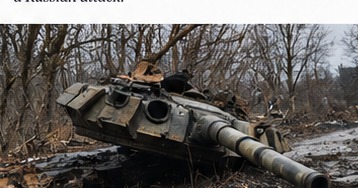
Illustration note: All images in this article are AI-generated editorial illustrations, not documentary photographs of actual events.
Ukrainian President Volodymyr Zelenskyy is urging Washington to put more pressure on Moscow, openly questioning President Donald Trump’s description of Vladimir Putin as “my friend.” The public disagreement adds a new layer of strain to U.S.-Ukraine relations at a moment when the Trump administration is trying to broker an end to Russia’s full-scale invasion and Kyiv is asking its allies not to weaken their support.
In an interview with the BBC broadcast Friday, November 27, Zelenskyy said he wanted the United States to do more to pressure Putin to stop the war. He called Trump’s use of the word “friend” for the Russian leader “strange,” arguing that Putin is the aggressor in a war that has devastated Ukrainian communities. The Associated Press reported that Zelenskyy compared the idea to describing Adolf Hitler as a friend during World War II. The comparison reflects the depth of Kyiv’s frustration, but it also risks making an already difficult diplomatic relationship more tense.
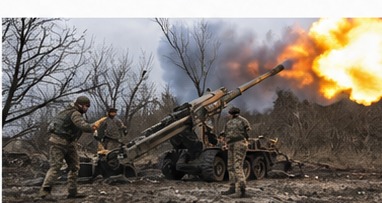
Trump’s approach: keep talking, seek a deal
Trump has repeatedly argued that direct engagement with Putin is necessary if a negotiated settlement is to be reached. In remarks reported by Reuters on November 26, Trump said he had asked Putin to pull back military aggression across Europe and said he hoped a deal between Russia and Ukraine could be reached quickly. Trump described the conflict as a “complete bloodbath” and said he believed an agreement was possible.
That approach puts a premium on keeping communication channels open with the Kremlin. Zelenskyy’s position is different: he wants Washington to use its diplomatic and economic leverage to make the costs of continuing the invasion harder for Moscow to bear. The disagreement is not simply about personal language. It is about whether negotiations are most likely to succeed through engagement, pressure, or a combination of both.
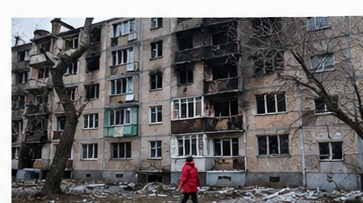
Peace talks remain stuck on territory and security
U.S.-mediated discussions have not yet resolved the central questions separating Kyiv and Moscow. Talks involving Russian, Ukrainian and U.S. representatives took place in Abu Dhabi earlier in November. The Associated Press reported that the discussions produced limited progress, including movement toward a prisoner exchange, but no breakthrough on the most difficult issues: the future of occupied Ukrainian territory and the security guarantees Ukraine would receive after any agreement.
Russia has demanded control over Ukrainian regions it claims to have annexed and has opposed Ukraine joining NATO. Ukraine rejects surrendering territory and says a settlement must prevent another invasion. European governments have also argued that Ukraine must be involved in decisions about its future and that any postwar arrangement needs credible security protections.
Ukraine says military support still matters
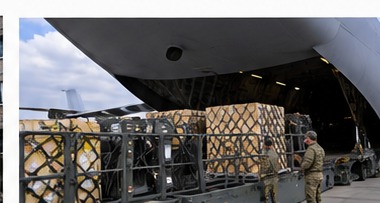
Zelenskyy has also raised concerns about the delivery of U.S.-made Patriot air-defense missiles that Ukraine says it has paid for, and about problems affecting the military-grade Starlink service used by Ukrainian forces. Those concerns underline Kyiv’s fear that diplomatic pressure for a deal could coincide with gaps in the capabilities it needs to defend its cities and infrastructure.
At the same time, the European Union has not settled a proposed 49-billion-dollar loan intended to help meet Ukraine’s economic and military needs next year. AP reported that EU leaders failed to reach agreement after difficult discussions. The delay does not mean the funding has been cancelled, but it adds uncertainty as Ukraine plans for another period of war.
Fighting continues while diplomacy moves slowly
The diplomatic arguments are unfolding alongside continued attacks. In its November 27 report, AP cited Ukrainian officials who said Russian drones struck locations across several regions, damaging infrastructure and causing deaths and injuries. Ukraine’s air force said it had intercepted many of the drones, while also reporting impacts at other locations. Russia’s Defense Ministry separately claimed its forces had intercepted hundreds of Ukrainian drones. Those battlefield figures are claims by the parties to the conflict and should not be treated as independently verified totals.
Trump and NATO Secretary-General Mark Rutte said in a joint statement after their November 25 meeting that Russia should avoid actions that intentionally or unintentionally expand the war and that a peaceful resolution should be reached as rapidly as possible. The statement signals continued coordination between Washington and NATO, even as Kyiv presses the United States to take a tougher line toward Putin.
What to watch next
The next test will be whether Washington can keep negotiations moving without leaving Ukraine exposed or sidelining European allies. Key indicators include any new U.S. proposals on security guarantees, the timing and delivery of air-defense support, progress on the proposed EU loan, and whether Russia shows willingness to discuss a ceasefire or changes to its territorial demands.
For Americans, the stakes extend beyond the battlefield. U.S. policy toward Ukraine affects NATO cohesion, European security, defense spending and Washington’s ability to deter future aggression. A quick agreement may be Trump’s stated goal, but the durability of any deal will depend on whether both sides accept its terms and whether Ukraine believes its sovereignty and security are protected.
Sources
- Associated Press: Zelenskyy urges the U.S. to pressure Putin and questions Trump’s “friend” remark (November 27, 2026).
- Reuters: Trump says he asked Putin to pull back military aggression across Europe (November 26, 2026).
- Reuters: Trump and NATO chief urge Russia to avoid actions that widen Ukraine war (November 25, 2026).
- Associated Press: Ukraine and Russia eye new peace talks, but steep obstacles remain.
USA Trending News summarizes reporting from the sources linked above. This article does not claim independent on-the-ground reporting.