
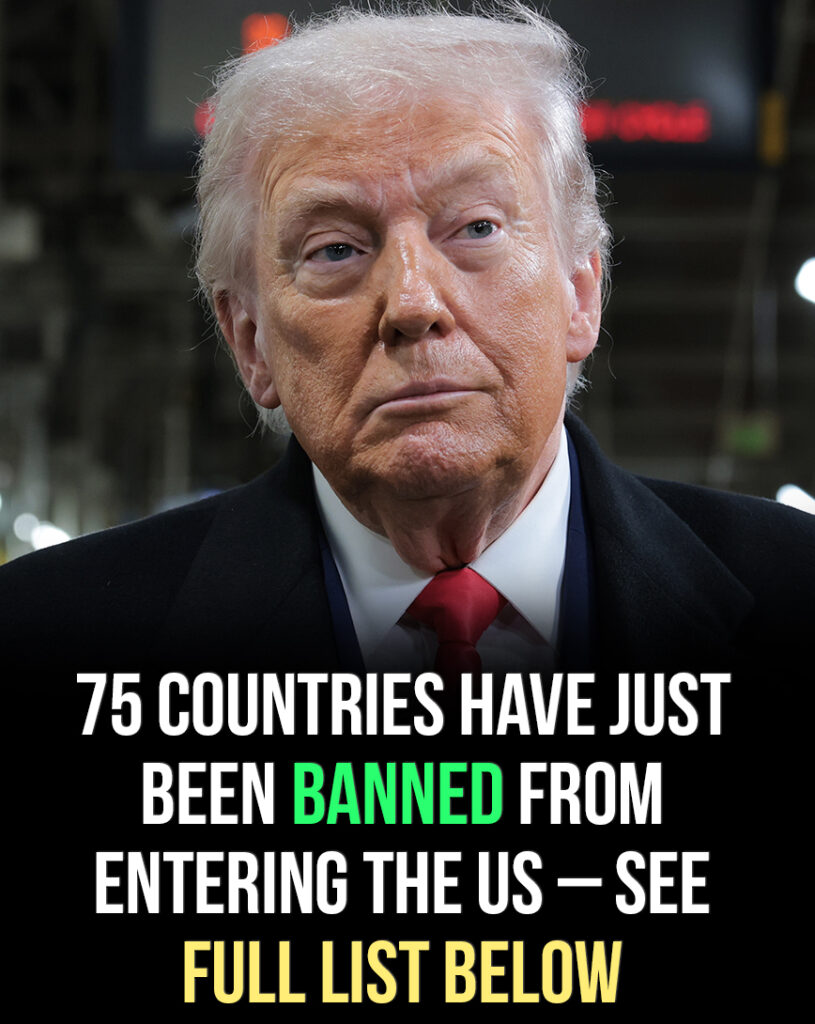
The announcement of the 75-country visa freeze has instantly become a defining test of Trump’s renewed presidency. Supporters frame it as a long-overdue reset, insisting that America’s generosity has been exploited and that immigration must be tightly controlled to protect taxpayers. They point to existing legal tools that allow consular officers to deny visas to those deemed likely to become “public charges,” arguing the administration is simply enforcing the law with new zeal.
Opponents see something far darker: a sweeping act of collective punishment that tars entire nations as burdens and security risks. Economists and advocates counter the “wealth extraction” narrative with data showing many immigrants from the targeted countries start businesses, work essential jobs, and often rely on public aid less than native-born citizens. Beyond the numbers, they warn of families indefinitely separated, careers abruptly derailed, and life plans collapsing without warning. As lawsuits advance and foreign governments demand clarity—especially with the World Cup and other global events on the horizon—the freeze is fast becoming a symbol of an America more isolated, suspicious, and willing to weaponize its borders in pursuit of political gain.