
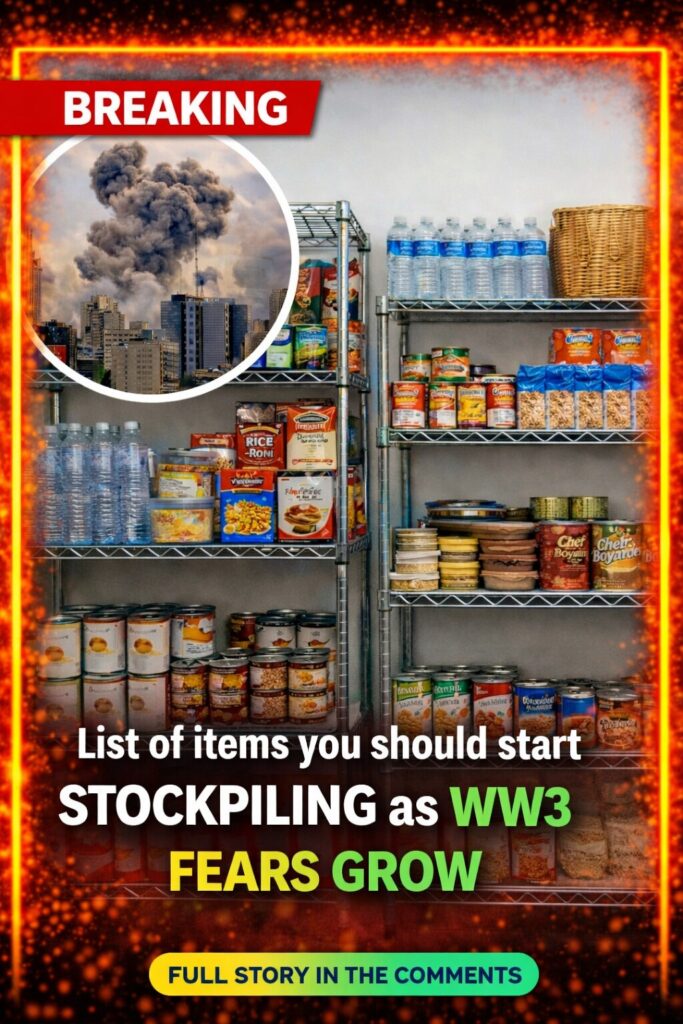
No government can guarantee that the lights will always stay on, the taps will always run, or the news will always be reassuring. That is why crisis planners keep repeating the same, unglamorous message: three days of basic self‑sufficiency can save lives. Water you can drink without a tap. Food you can eat without a fridge. Light when the grid fails. Copies of documents when offices are closed or destroyed. A small radio when the internet is gone.
Preparedness is not surrendering to fear; it is reclaiming a measure of control when events spiral. A simple bag with bottled water, non‑perishable food, medicines, flashlights, batteries, a multi‑tool, some cash, warm clothing, and a paper map will not stop missiles or end rivalries. But it can keep a family safer, calmer, and together while the world outside feels suddenly, violently uncertain.