
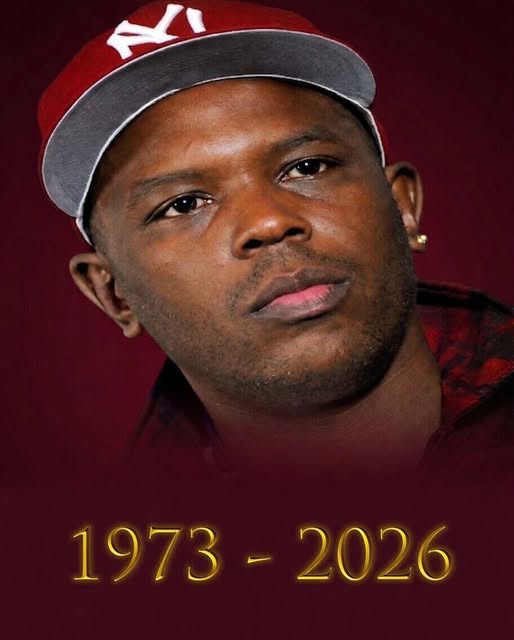
The microphone is often used to write the history of hip-hop. We honor the frontmen who captivate stadium audiences, the producers who turn soul samples into gritty songs, and the lyricists who manipulate language. However, the architects who never take center stage are frequently responsible for a cultural movement’s actual longevity. Oliver Power Grant passed away at the age of 52, leaving the music industry and the global hip-hop community to deal with the loss of one of their most important, if quiet, masterminds. Grant was the main strategist who made sure that the Wu-Tang Clan’s raw, visceral energy was directed into a long-lasting, multigenerational empire. He was more than just a spectator to the group’s ascent.
The music industry was rapacious and inflexible when the Wu-Tang Clan rose from the neglected boroughs of Brooklyn and Staten Island in the early 1990s. It was thought to be logistically impossible for a nine-member collaborative to preserve individual liberty while signed to multiple labels, and artists were seen as disposable commodities. Oliver Power Grant supplied the structural integrity, Method Man and Ghostface Killah supplied the star power, and RZA supplied the spiritual philosophy and the sound design. He was a visionary who recognized that art needed both a sword of entrepreneurial aggression and a shield of economic acumen to thrive in the corporate meat grinder.
Long before the term “equity” became popular in the rap industry, Grant’s impact was based on the idea of ownership. He saw more than just record sales when he examined the cultural explosion of the 1990s; he saw a way of life that was being exported to the world without the creators reaping the full rewards. Wu Wear was born as a result of this vision. We now take it for granted that a rapper will have a tech relationship, a clothing company, and a booze business. However, the introduction of Wu Wear in 1995 was a groundbreaking act of rebellion. Grant came to the conclusion that the Clan should be the ones selling the clothing if young people all around the world wanted to dress like them. Grant assisted in separating the artists’ earnings from the whims of radio play and MTV rotation by expanding the group’s branding into the apparel industry. He turned a band into a physical brand that people could wear in Tokyo, London, and Paris.
Grant’s approach was brilliant because he valued substance over visibility. Grant remained a ghost in the machine during a time characterized by the “shiny suit” and the quest for personal notoriety. He was aware of the psychological impact of mystery. By remaining in the background, he let the Wu-Tang Clan’s mythos develop unfettered while concentrating on the logistical framework that prevented the collective from crumbling under its own weight. A great deal of ego-suppression was needed for this. He was more concerned with the movement’s survival than being its spokesperson. His work with industry icons like the GZA and Method Man was about more than just scheduling; it was about preserving the integrity of the creative process by dealing with the harsh realities of the business.
Grant’s ability to think strategically was also crucial for negotiating the intricate web of independence. The Wu-Tang Clan’s agreement with Loud Records is well-known for enabling its members to negotiate solo contracts with other labels—a negotiating skill that permanently altered the music business. Grant played a crucial role in the brain trust that carried out this “divide and conquer” tactic. He made it possible for the group to operate as a sovereign nation instead of just a band. Because of their organizational structure, the Wu-Tang Clan was able to outlive almost all of their contemporaries and stay relevant for more than thirty years. Grant’s focus on long-term planning served as a safety net that permitted artistic development while other groups burnt up as a result of internal conflict or bad financial management.
Oliver Power Grant’s dying is a depressing reminder of how much of our cultural heritage was created by individuals whose names are never on a marquee. His life served as a master class in the “silent move” technique. He demonstrated that being the most powerful person in the room does not need being the loudest. His influence can be traced not just in the liner notes of timeless albums like Enter the Wu-Tang (36 Chambers), but also in the fundamental foundation of contemporary hip-hop’s commercial operations. Every rapper who starts a successful clothing business, every artist who owns their masters, and every collective that stays independent owe a debt of appreciation to Grant for paving the way.
When one looks back on his 52 years, loyalty and insight define his trajectory. He was present when the group became a worldwide phenomenon as well as during the projects’ lean years. His goal remained constant throughout: to safeguard the vision. He recognized that hip-hop was more than simply music; it was a socioeconomic instrument that, with proper management, could uplift entire neighborhoods. His work with Wu Wear was about more than just selling t-shirts and hoodies; it was about building a black-owned presence in the clothing business, generating jobs, and demonstrating that the “street” had the intellectual potential to rival Seventh Avenue.
The W logo’s ongoing significance is an homage to Grant as the world laments his passing. That globally renowned emblem serves as a reminder of the building he contributed to. Grant constructed the hearth that prevented the fire from destroying itself, but the artists supplied the flames. In order to keep the brand associated with authenticity, he led the group through the perilous waters of the 1990s and 2000s. For the culture’s architects, who cherish the foundation just as much as the penthouse, his passing is a great loss.
In the end, Oliver Power Grant’s life questions the contemporary fixation with influence and viral celebrity. He accomplished more in the background than most people do in the spotlight. A well-placed plan is more effective than a thousand headlines, as he taught the industry. As we pay tribute to him, we must recognize that the Wu-Tang Clan is a monument to strategic genius and collective strength rather than merely a group of outstanding lyricists. One of the pillars of that monument was Grant. The hip-hop world is left empty by his absence, yet his blueprints endure. The empire he assisted in creating is still standing today, a vast and impenetrable monument to the might of a man who understood that often the most significant labor is the work that goes unnoticed. He was the Wu’s silent engine, and even though it is no longer running, his visionary spirit will keep the vehicle he created moving forward.