
Trump Says He Wants a “Real Deal” With Iran as Gulf Tensions and Shipping Risks Rise
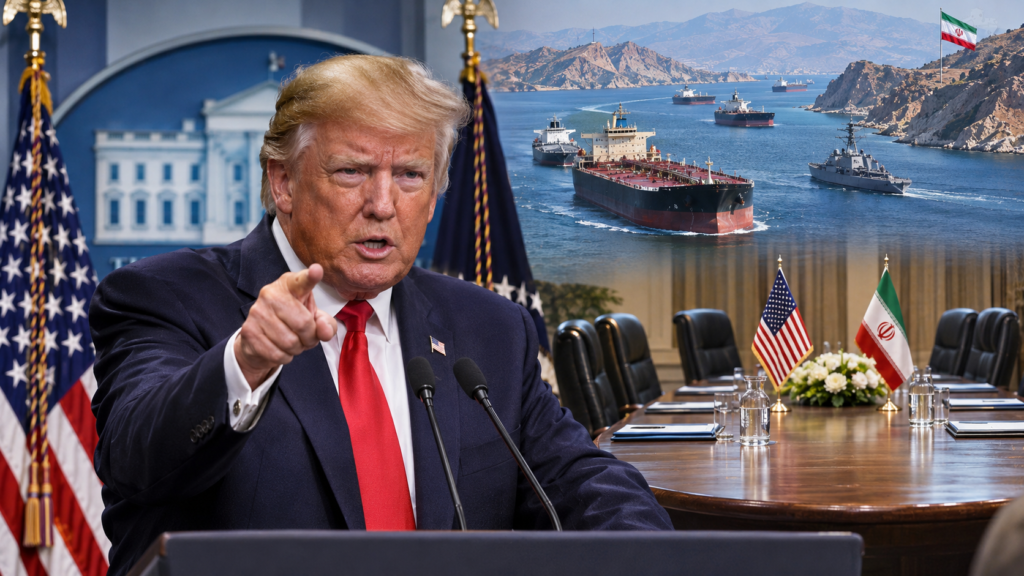
President Donald Trump said Friday that the United States wants a “real deal” with Iran, but he remains unwilling to accept the terms Tehran is currently seeking. His remarks came as diplomatic contacts continued through regional mediators and tensions around the Strait of Hormuz raised fresh concerns about a possible return to wider fighting.
Speaking at a White House news conference on November 20, Trump said Iran wants an agreement to end the conflict but has not offered one he considers acceptable. He repeated that Iran would never be allowed to obtain a nuclear weapon, while declining to outline a detailed negotiating framework or announce a timetable for an agreement.
Iran says diplomacy remains possible
Iranian Foreign Minister Abbas Araqchi said Tehran still believes a diplomatic solution is possible. In remarks reported by Reuters, Araqchi said Iran wants guarantees that Washington is serious about negotiations and is seeking an agreement that would prevent another war.
A major point of disagreement is Iran’s enriched uranium. Araqchi said keeping enriched uranium inside Iran remains a red line for Tehran, although he said a fair solution could still be reached. The United States has long sought limits on Iran’s nuclear program, including measures that would prevent the country from developing a nuclear weapon.
Messages between the two sides are reportedly being exchanged through mediators. Qatari officials have also been involved in efforts to narrow differences, including discussions about confidence-building measures and the conditions needed to restart broader negotiations.
Strait of Hormuz remains a critical pressure point
The diplomatic effort is taking place against a backdrop of continuing regional attacks and disruption to commercial shipping. The Strait of Hormuz is one of the world’s most important energy routes, carrying a substantial share of global oil and gas shipments. Any prolonged restriction on traffic through the waterway can affect energy markets, shipping costs and prices paid by consumers.
The Associated Press reported that Gulf Arab states are concerned about a possible return to full-scale hostilities. One proposal discussed by regional officials would ease restrictions on shipping in the strait in exchange for limited sanctions relief for Iran and a return to wider negotiations, including on its nuclear program. The proposal has not been announced as an agreed deal.
Recent attacks have added to those concerns. Iran has targeted U.S. facilities in Kuwait and Bahrain, while Washington has maintained a naval blockade and economic pressure campaign. The competing actions have increased uncertainty over whether the current level of confrontation can be contained.
Trump has not ruled out further military action
Trump has sent mixed signals about the next phase of the conflict. At times he has said the war is effectively over or that the United States does not need an agreement. At other moments he has emphasized that he would prefer a negotiated outcome if Iran accepts Washington’s conditions.
That uncertainty has complicated diplomatic efforts. Analysts say both sides face difficult choices: a renewed major military campaign could bring further casualties and economic disruption, while a limited agreement may leave the central nuclear dispute unresolved.
For American households, the stakes extend beyond foreign policy. Continued instability around the Strait of Hormuz could keep pressure on oil prices and transportation costs. A durable agreement could reduce those risks, but the public statements from Washington and Tehran show that significant differences remain.
No comprehensive agreement has been announced. The immediate question is whether mediators can turn the ongoing exchanges into a framework both governments are willing to accept, or whether tensions will rise again before diplomacy makes progress.
Sources: Associated Press, November 20, 2026; Reuters, November 20, 2026; Arab News, November 21, 2026. This article distinguishes public statements and reported diplomatic proposals from any finalized agreement; no comprehensive U.S.-Iran deal has been announced.